Community Anchor Program (CAP)
CAP Helps You Connect
CAP is a community-driven program focused on expanding access to advanced broadband services and putting them to work to increase educational opportunities for everyone.
CAP works with 46 state and regional research and education (R&E) network partners to develop, adopt, and deploy advanced network-enabled applications and services across community anchor institutions nationwide.
Over 80,000 community anchor institutions— including K-12 schools, public libraries, colleges and universities, health care facilities, museums, and other cultural and historic organizations— connect to Internet2 via a state or regional R&E network.
CAP Projects and Resources
Presidential Primary Sources Project
Learn about presidents directly from National Park Service rangers and presidential historians in this live, interactive web series.

K-12 Resources
As educators, you want to give your students the world. With the Community Anchor Program’s K-12 resources, you can do just that.
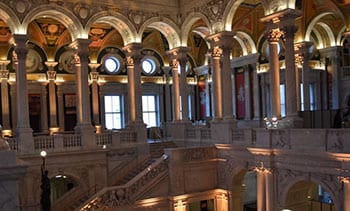
Library Resources
CAP’s library resources include the Toward Gigabit Libraries toolkit to help you understand your library’s IT and broadband needs and other opportunities to work with CAP on grant projects.
Meet CAP leadership
Quick Links
Get resources to help inform you and your school or library.

Educator Profiles
Learn how educators have used the Internet2 network to help them in the classroom.

LoLa for All Working Group
Using LoLa, teachers and students can duplicate the in-person, hands-on performance learning experience in real time.

Regional Network Spotlight Profiles and Other CAP News
Read the latest Regional Network Spotlight profiles and other CAP news.
Find Us on Facebook
.Check out the CAP Facebook page.
Find Us on Twitter
Check out CAP on Twitter.
Distance Learning Scholarship Program
Learn more and apply for the CAP distance learning scholarship program.
We want to hear from you.
Contact us for more information.